The Best Places For Walking In The Netherlands
Walking in the Netherlands might not be the first idea that comes to your mind, however, the Dutch landscape is beautiful and it has so much to offer.
In this article, we’ll explore some of the nicest places in the lowlands so you can find your next walking holiday in the Netherlands.
We’ll explore beautiful landscapes from coastal trails to forest hikes. The aim is to provide you with practical insights and inspire your wanderlust.
Furthermore, a gear list and the best navigation apps for walking in the Netherlands are provided.
So, put on your hiking boots, and let’s discover a walking adventure through the Dutch countryside.
Disclaimer: This post contains affiliate advertising links. This means that if you click through any of the links on this page and decide to make a booking I get a small commission, at no extra cost to you. This helps fund the running costs of my site.
Veluwezoom National Park (Gelderland)

Veluwezoom National Park is located in the province of Gelderland (between Apeldoorn and Arnhem) and is known for its stunning heathland.
It’s a very popular area for bird watching, hiking and running.
The heathland blooms purple in August and September which you can see in the photo above.
You can also find horses and you might get a chance to see wild boar or deer.
I recommend you follow the route from Dieren.
The hike shouldn’t take you longer than 5 hours maximum, depending on your speed and level of fitness.
Mount Sint Pieter (Maastricht)
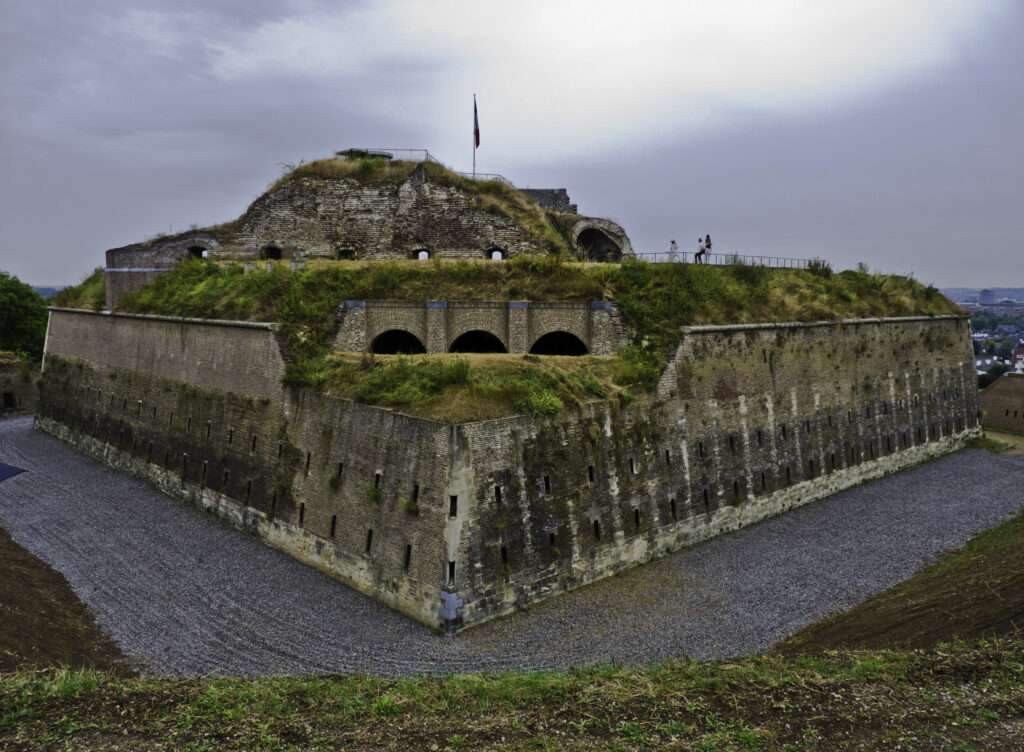
Located near Maastricht in the south of the Netherlands, Mount Sint Pieter offers a different kind of hiking experience.
Below the mount, you’ll find the St Pitersberg caves, which are the result of centuries of excavation of marl, a kind of limestone. There are more than 20,000 passages, which makes the place more like a mine instead of a cave.
The inhabitants used the passages as shelter during the many sieges in Maastricht.
The caves maintain a fairly constant temperature year-round, making the hike a great option during all year.
Be sure to dress warmly and bring a flashlight if you plan on exploring the caves as the temperature is around 10 degrees Celsius (50°F).
Tip: If you are interested in more walks in Maastricht click here.
Hike in Your Local Park
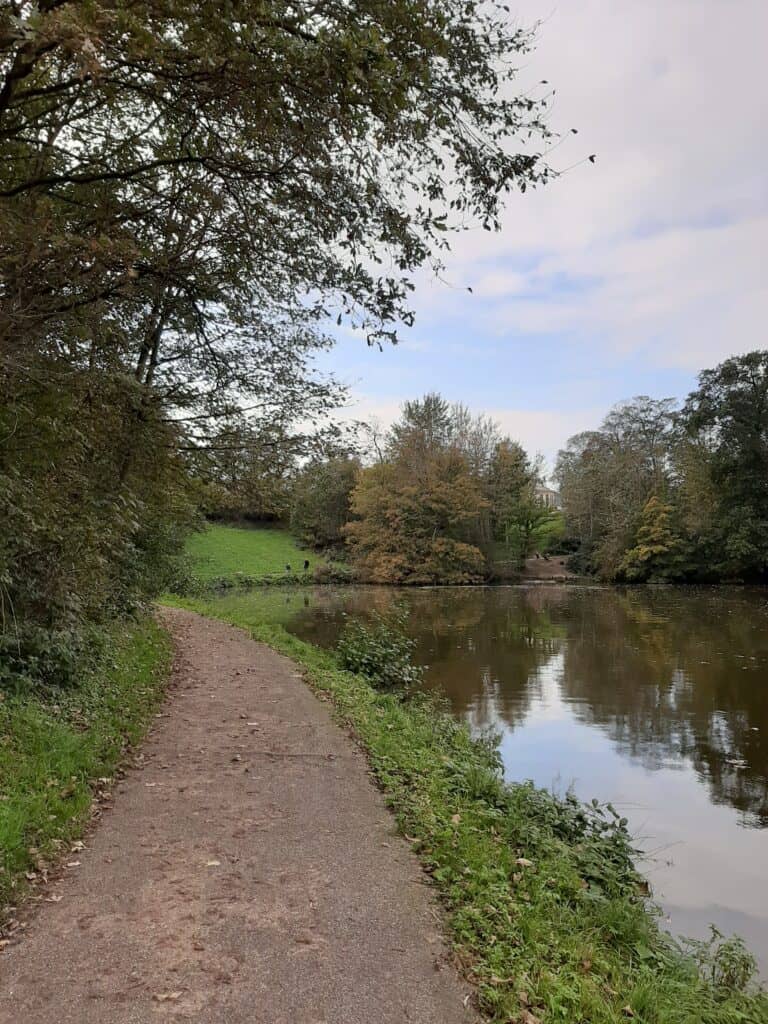
Every Dutch city and village has a (sometimes huge) park.
Sometimes, the best hikes are right in your local area. Even in cities like Amsterdam or Rotterdam, there are beautiful parks and natural areas to explore.
So check out Google Maps for the green zones and discover the nature around you!
Hiking in your local park is convenient and accessible. You don’t need to travel far, and you can enjoy a refreshing walk without the need for an extended trip.
While local parks offer convenience, they may not provide the same level of natural diversity as national parks or specific hiking destinations.
Planning a trip to the Netherlands
Zuid-Kennemerland National Park (North Holland)
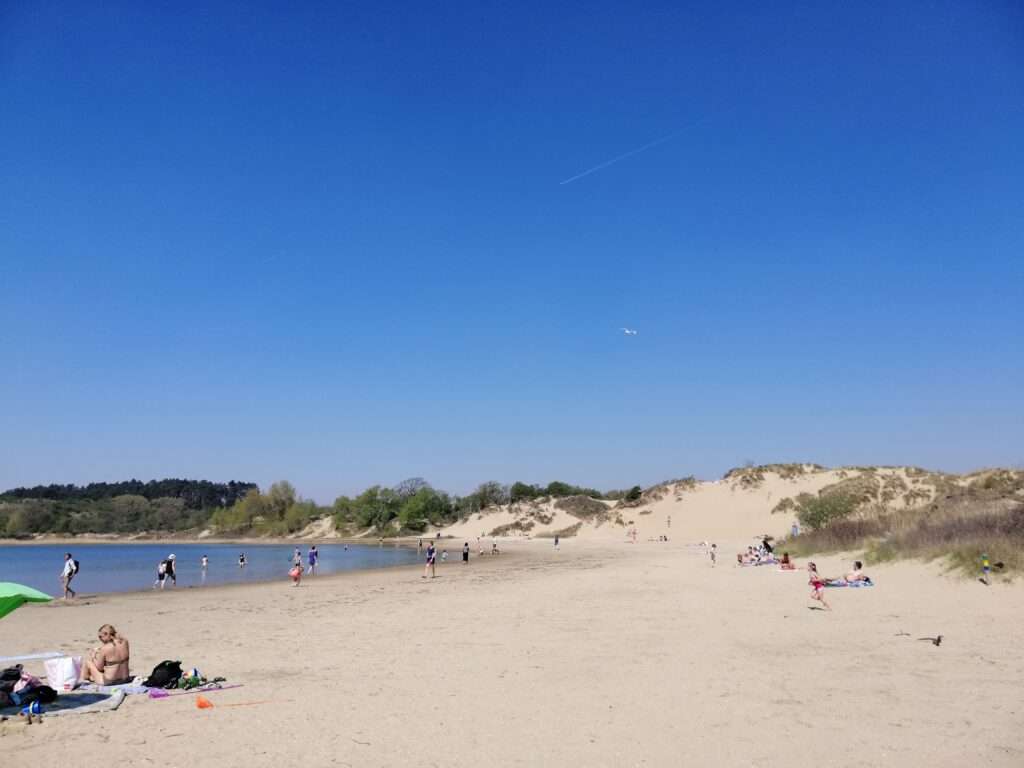
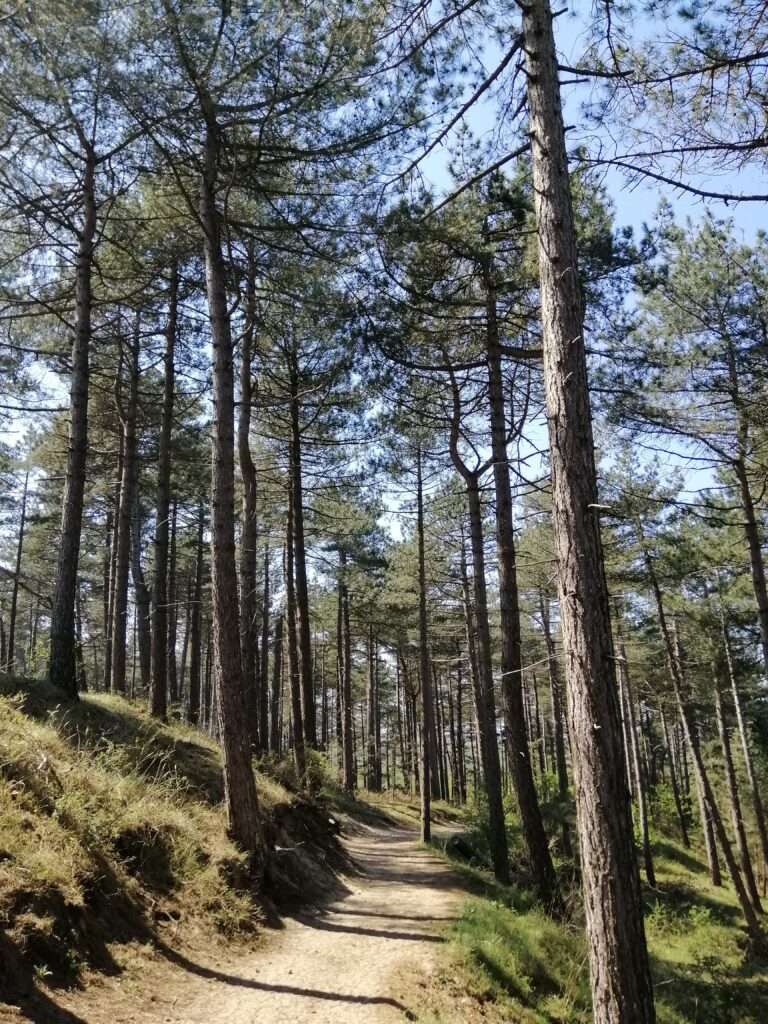
This national park in North Holland offers diverse landscapes, from dunes to forests.
The park’s quietness and varied terrain make it an excellent place for walks.
For more info and routes check out the official website.
Tip: Depending on the weather, the paths can become muddy, so be prepared with appropriate footwear.
Dutch Dunes
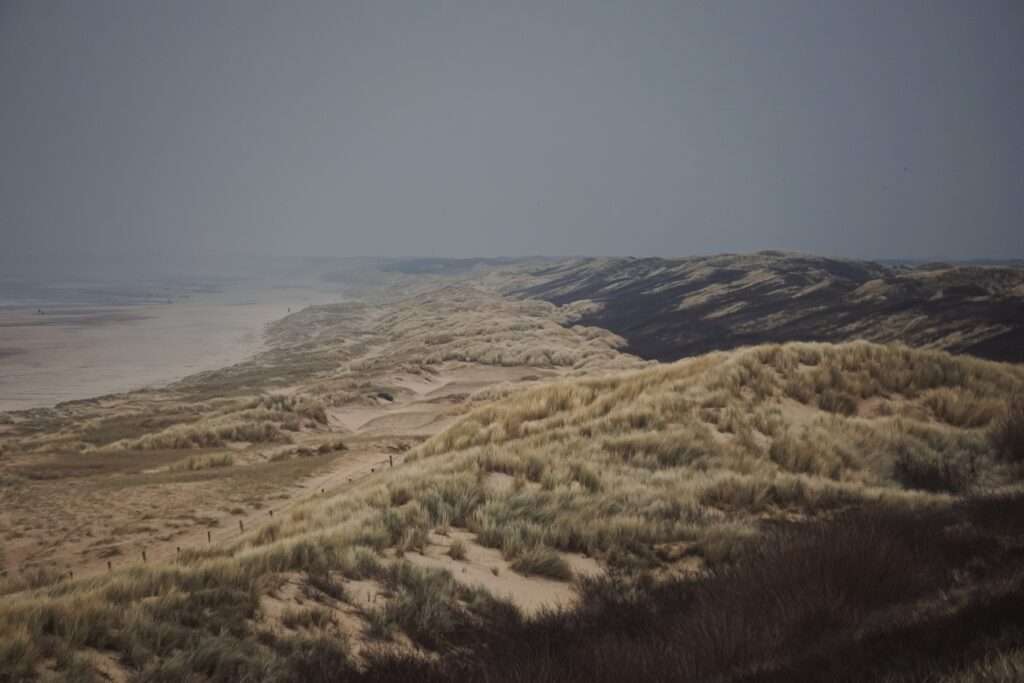
The Dutch Dunes are a vast coastal region known for its natural beauty.
This area has various hiking trails through sand dunes along the coast.
You can find several Dunes on the West Coast like Helder Dunes, Scheveningen and Bloemendaal aan Zee.
The weather near the coast can be quite harsh during winter, so make sure to check forecasts and be prepared for chilly winds.
Enjoy Some Dutch “Mountains” at Schoorl
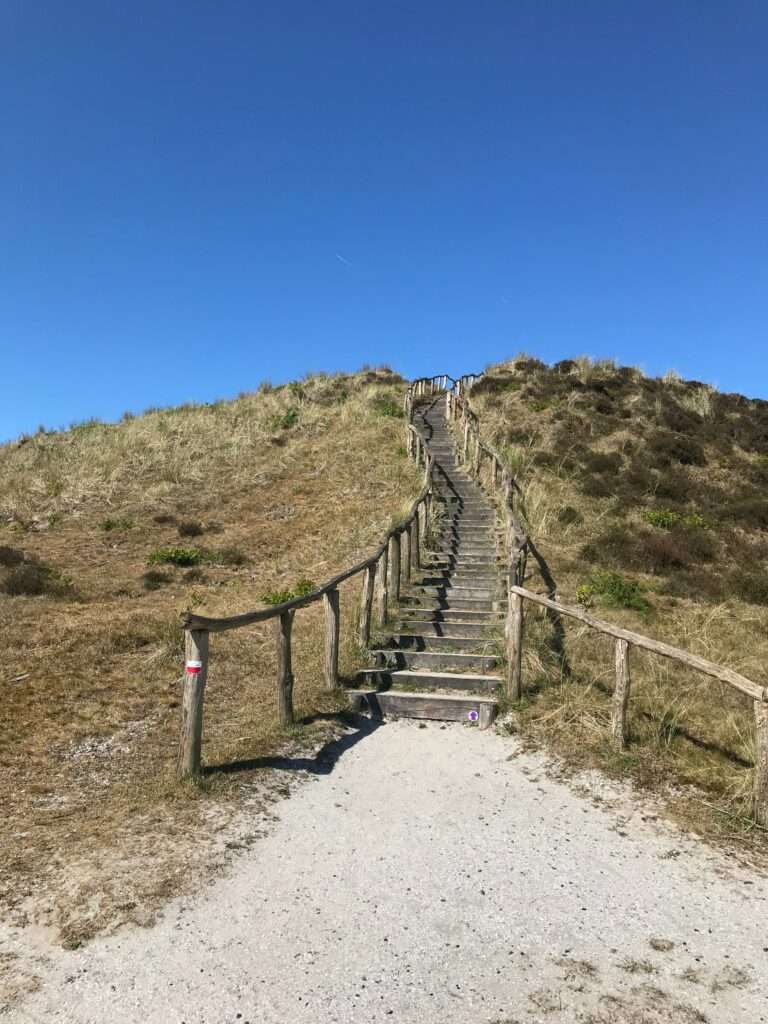
While the Netherlands isn’t known for its mountains, the Schoorl area in North Holland offers some of the country’s highest dunes, giving a sense of elevation.
The “mountains” provide a unique walking and hiking experience, and the views from the dunes can be breathtaking.
Birkhoven Utrechtslandschap, Amersfoort
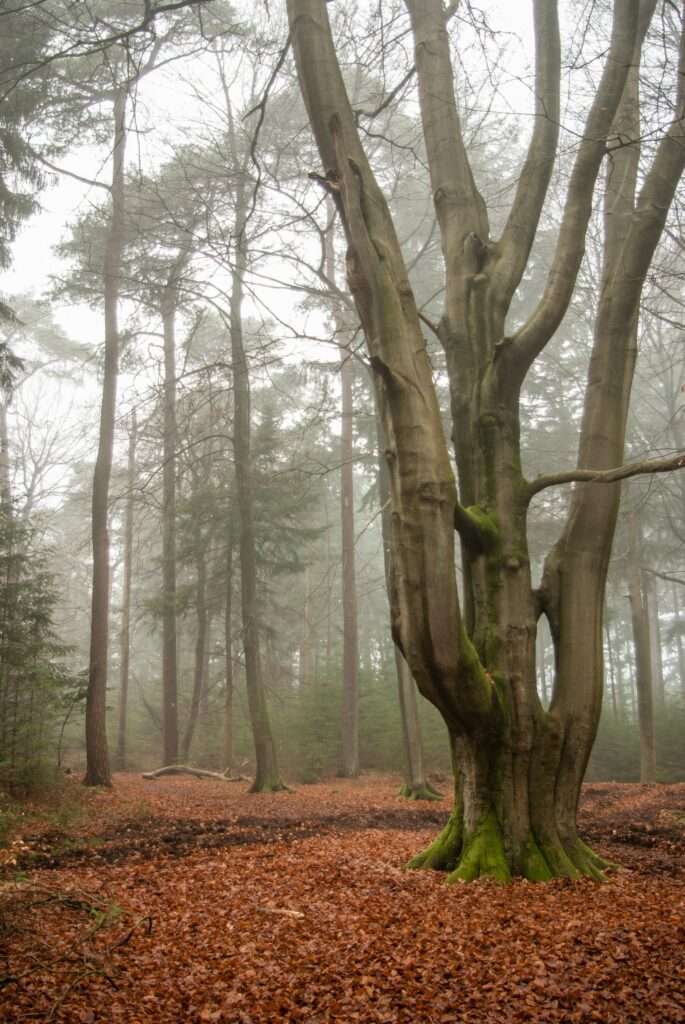
Birkhoven is located near the city of Amersfoort in the province of Utrecht, in the central part of the Netherlands.
It’s easily accessible from Amersfoort and surrounding areas.
The area has an extensive network of well-maintained walking and hiking trails.
Oisterwijk Fens (North Brabant)

Oisterwijk’s Forests and Fens, located in the province of North Brabant in the Netherlands, is a natural area known for its diverse landscapes and unique environment.
The Oisterwijkse Vennen, or fens, are a unique feature of the area. These are shallow, water-filled depressions surrounded by forests.
The fens provide a habitat for various bird species and other wildlife, so you can birdwatch and photograph nature.
Veluwe National Park
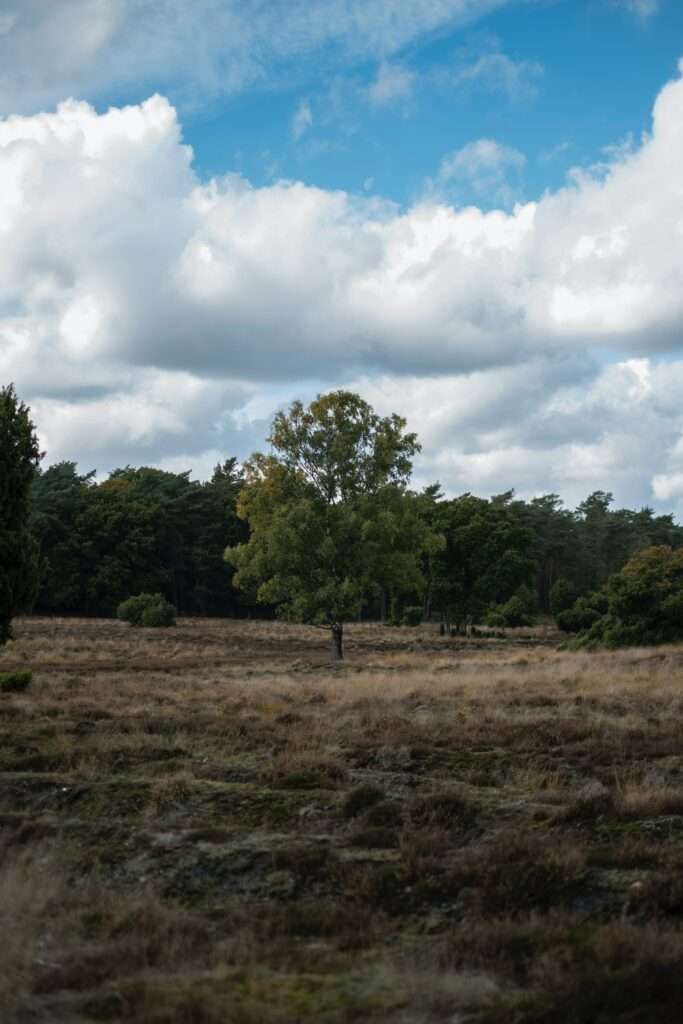
Veluwe National Park is the largest national park in the Netherlands, covering over 55,000 hectares of diverse landscapes, including forests, heathlands, sand dunes, and wetlands.
It includes woodlands, open heathlands, sand drifts, and peat bogs. These diverse ecosystems support a wide range of flora and fauna.
Within the park, you can discover historical and cultural sites, including old farmsteads and castles.
The Kroeller-Mueller Museum, located in the heart of the park, houses a collection of modern art and sculpture.
Learn more about the Veluwe National Park here.
Kinderdijkpad Windmill Route (South Holland)

Kinderdijk is a UNESCO World Heritage site famous for its historic windmills dating from the 18th century.
It is one of the nicest and historic sites you can find in the Dutch countryside.
Check out the top trails in Kinderdijk here.
Kinderdijk can be quite popular with tourists, so you may encounter crowds, especially during peak hours.
Texel

Texel is one of the Dutch Wadden Islands, known for its natural beauty and diverse landscapes. It is one of the hidden gems of the Netherlands.
Discover the dunes, forest, farmland and of course the beach! You can also birdwatch on De Schorren or in Waalenburg.
There are many hiking trails in Texel where you can disconnect from the city and enjoy nature.
Texel is a year-round destination, but in the lower season, you can experience a quieter island with the charm of the North Sea. Also, some facilities and services may have reduced hours or be closed during the winter, so plan accordingly.
What to Bring When Walking in the Netherlands
Here’s a guide to the essential gear you should bring for walking in the Netherlands, whether you’re exploring the Dutch countryside, coastal trails, or urban areas.
1. Comfortable Walking Shoes:
- Choose sturdy and comfortable walking shoes with good traction. They should be suitable for the terrain you plan to explore.
2. Weather-Appropriate Clothing:
- Layered Clothing: Dress in layers, especially during the cooler months. Start with a moisture-wicking base layer, add an insulating layer for warmth, and finish with a waterproof and windproof outer layer.
- Waterproof Jacket: Walking in the Netherlands can be unpredictable. A waterproof jacket or shell is essential to keep you dry in case of rain. Look for one with breathable materials.
- Quick-Dry Pants: Opt for quick-drying and water-resistant pants, particularly if you’ll be walking in wet or muddy conditions.
3. Backpack:
- Bring a daypack to carry your essentials. Make sure it’s comfortable and has enough space for your gear.
4. Navigation Tools:
- Map and Compass: Even if you plan to use navigation apps on your phone, it’s wise to have a physical map and a compass as a backup.
- Smartphone: If using a smartphone, ensure it’s fully charged and has a navigation app with offline maps.
5. Hydration and Nutrition:
- Water: Carry a refillable water bottle to stay hydrated during your walk.
- High-Energy Snacks: Pack high-calorie snacks to keep your energy up during longer walks.
- Lunch: If you plan on a full-day hike, bring a packed lunch.
6. Sun Protection:
- Sunglasses: Protect your eyes from the sun’s glare, especially if you’re walking on sunny days.
- Sunscreen: Apply sunscreen to exposed skin, even in winter.
7. Hat and Gloves:
- Depending on the season, bring a hat to protect your head and gloves to keep your hands warm.
8. First Aid Kit:
- A basic first aid kit is essential for any outdoor adventure. It should include bandages, antiseptic wipes, and any personal medications.
9. Lighting:
- Headlamp: For late-afternoon walks or if your hike extends into the evening, a headlamp is crucial.
10. Personal Identification:
- Carry a form of identification, such as a driver’s license or ID card, in case of emergencies.
11. Camera and Binoculars:
- If you enjoy photography or birdwatching, bring your camera or binoculars to capture the scenery and wildlife.
12. Appropriate Gear for Specific Walks:
- If you plan on specific activities like beach walking or wetland hikes, consider gear like gaiters or waders for added protection.
13. Local Trail Information:
- Research the specific trail you plan to walk and check if there are any additional gear requirements. Some trails might have specific regulations.
The gear you need can vary depending on the season and the specific location you plan to explore.
It’s always good to check the weather forecast and trail conditions before your walk so you bring adequate gear.
Navigation Apps and Maps

There are several navigation apps and maps you can use for walking and hiking in the Netherlands to help you stay on track and navigate the trails effectively. Here are some popular options:
1. Google Maps: Google Maps provides detailed maps, real-time navigation, and information about nearby points of interest. However, it may not have the specific details of hiking trails that dedicated hiking apps provide.
2. Komoot: Komoot offers a collection of hiking and cycling routes. You can plan your own route or choose from pre-existing ones. It also provides turn-by-turn voice navigation, offline maps, and elevation profiles.
3. AllTrails: AllTrails is a hiking app with an extensive database of trails. You can search for trails by location, length, difficulty, and more. It provides detailed trail maps, reviews, photos, and GPS tracking.
4. ViewRanger: ViewRanger offers detailed topographic maps and provides the ability to download maps for offline use. You can record your tracks, plan routes, and access a community of outdoor enthusiasts.
5. OsmAnd: OsmAnd is an open-source mapping and navigation app that allows you to download detailed maps for offline use.
7. Official National Park Websites: Some national parks in the Netherlands have their own websites or apps with trail maps and information.
Also, make sure your smartphone is fully charged and consider carrying a portable charger to ensure you have navigation throughout your hike.
It’s essential to check the accuracy and coverage of these apps in your specific hiking location, especially if you plan to go into more remote or less-populated areas.
Conclusion
I hope this article inspired your wanderlust and helped you find the next walking trail in the Netherlands.
In the spring, you’ll get nature with blossoms, while summer is lush with greenery.
Autumn brings a vibrant display of colours as the leaves change, and winter offers a quiet and serene atmosphere.
Don’t forget to follow guidelines to minimize impact on the environment and have fun!
Pin It For Later!
Travel Inspiration for Amsterdam and Beyond
What to See & Do:
35 Best Things To Do At Night In Amsterdam
Best Places In The Dutch Countryside
Weekend Trips From Amsterdam In The Netherlands
Best Instagram Spots in Amsterdam
The Best Places For Walking In The Netherlands
Itineraries:
Amsterdam in One Day Ultimate Guide: 1 Day Itinerary + Map
Amsterdam For A Week: One Week in Amsterdam Itinerary
Seasonal Guide:
Amsterdam In Autumn: The Ultimate Guide
The Ultimate Guide To Visiting Amsterdam Tulips’ And Keukenhof Gardens
More of the Netherlands:
What You Need To Know For Your First Time In Amsterdam
Is Haarlem Worth Visiting? Reasons And Things To Do