18 Interesting Facts About Pompeii
Going to Pompeii soon and want to know some of the most interesting facts about it? I’ve recently been to this amazing ancient city frozen in time by the volcanic eruption of Mount Vesuvius and seen the ancient culture of the Roman Empire. In this article, I unravel 18 interesting facts about Pompeii mixed with the history of Pompeii and its importance in Ancient Rome.
Brief History of Pompeii
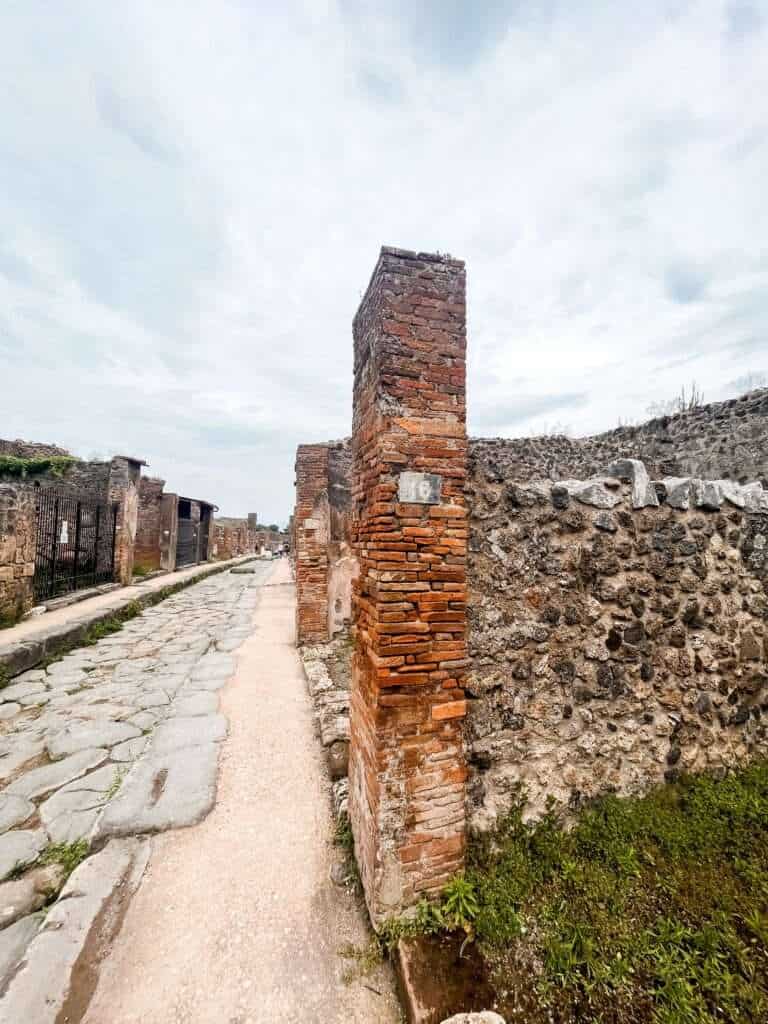
Pompeii, located in southern Italy near the Bay of Naples is one of the must-see places close to Naples. It was founded around the 6th century BC by the Oscans, who were ancient Italic people. It became a Roman colony in 80 BC. The city flourished under Roman rule, transforming into a prosperous urban centre.
In 79 AD, Mount Vesuvius erupted. The eruption buried Pompeii under a thick layer of ash and volcanic debris. Tragically, thousands of people died.
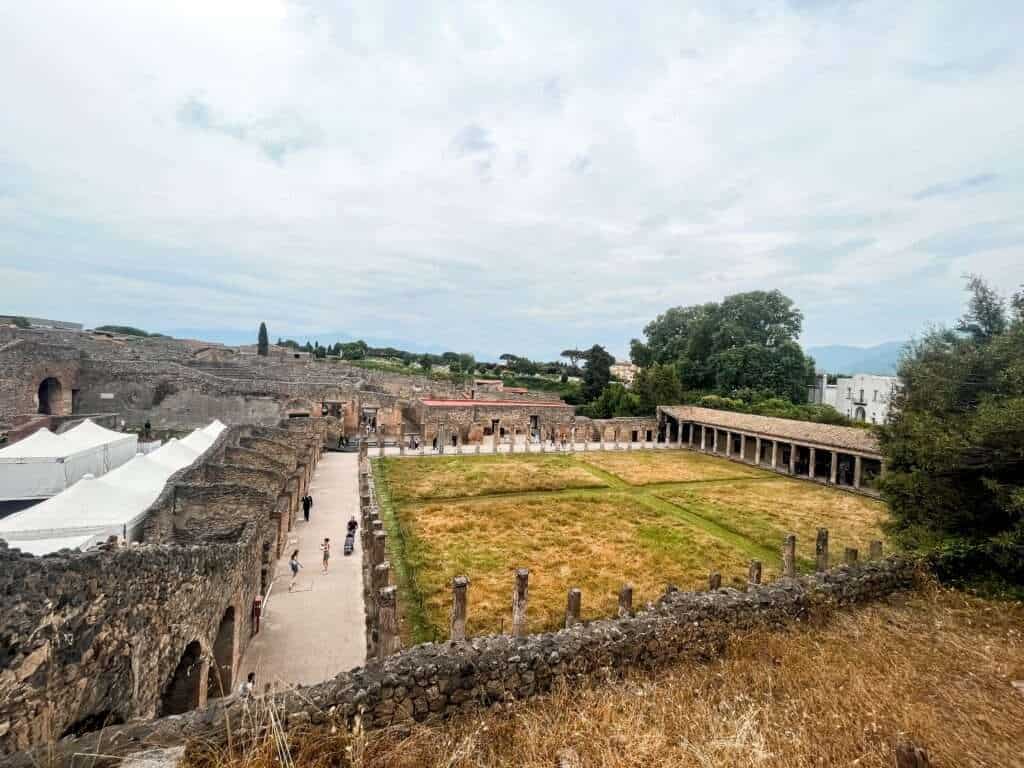
Pompeii lay forgotten and buried for over 1,500 years until its rediscovery in the 18th century. Consequently, excavations began, and as a result, archaeologists unveiled a surprisingly preserved ancient city. This discovery offered unprecedented insights into Roman life and culture.
The Importance of Pompeii in Ancient Rome
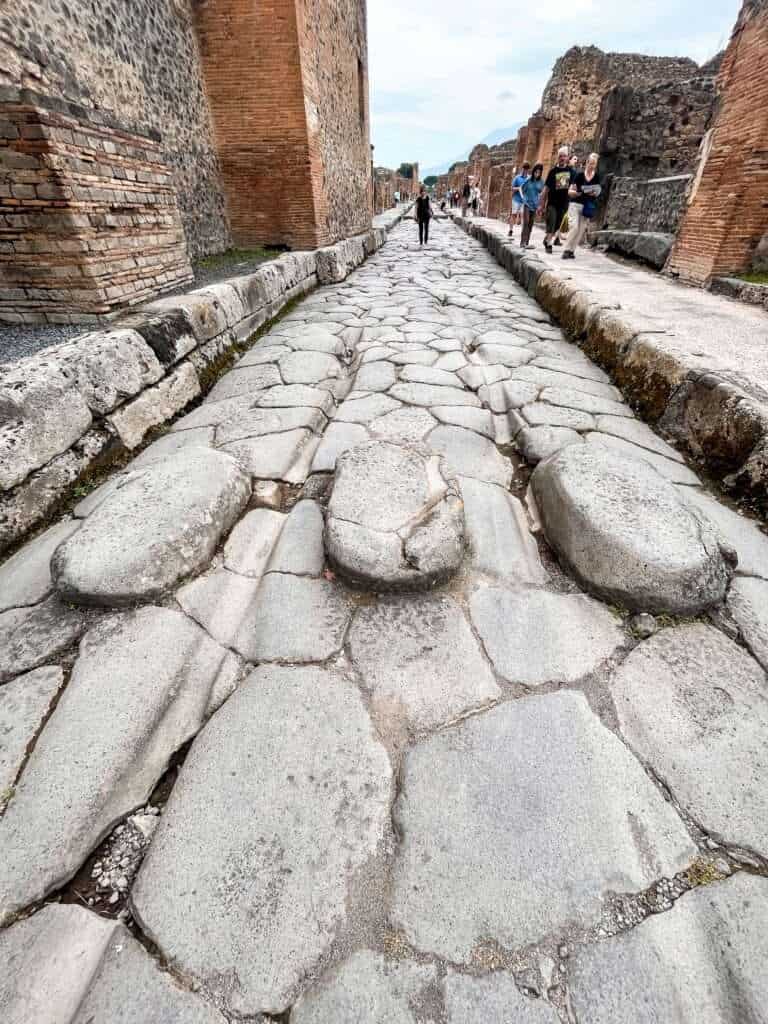


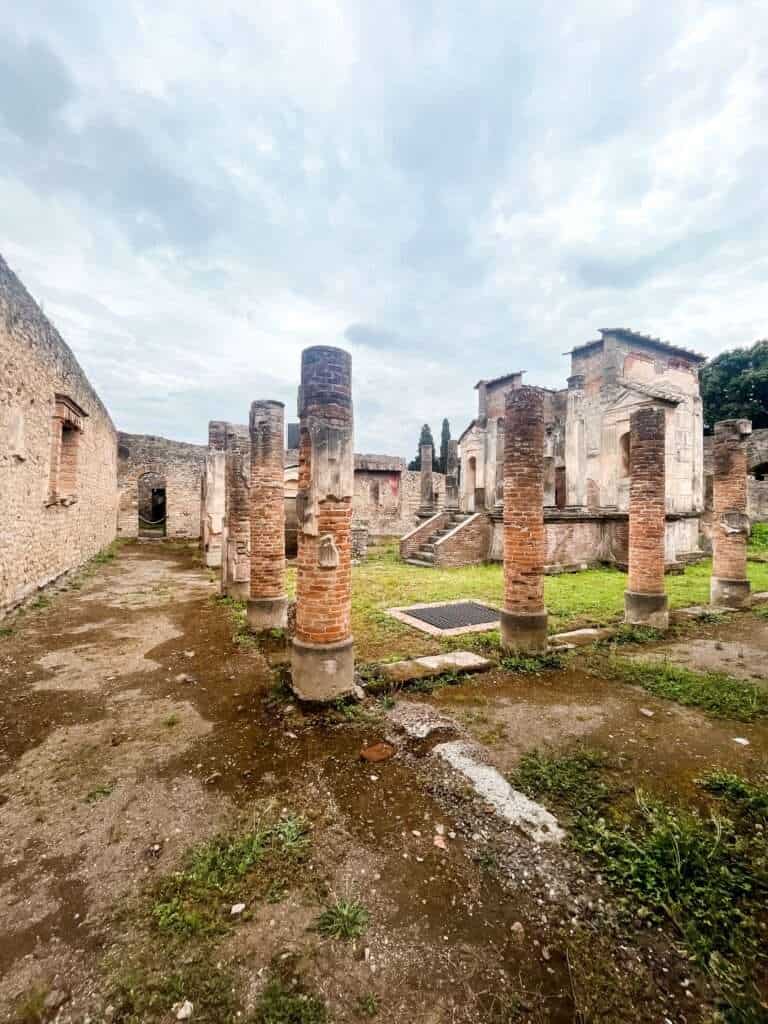

Pompeii was very important in ancient Rome. It was serving as a commercial hub and its strategic location near the Bay of Naples made it a trade centre, connecting Rome to other parts of Italy and the wider Roman Empire.
The import and export of goods, including agricultural products, ceramics, textiles, and luxury items, fueled the economy.

Beyond its economic significance, Pompeii was also an important cultural and social centre. The city had grand villas, public buildings, theatres, and temples dedicated to various gods. Furthermore, Pompeiians enjoyed a social life, participating in events like gladiatorial games, theatre performances, and religious ceremonies.

18 Interesting Facts About Pompeii


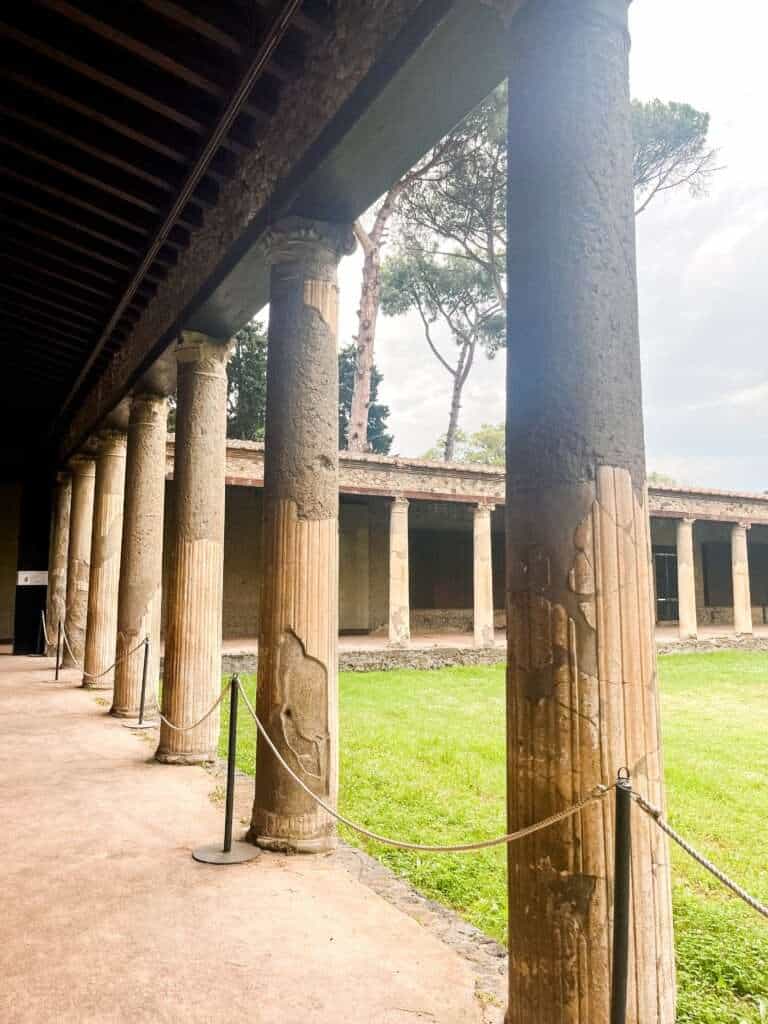

- Vesuvius: The eruption of Mount Vesuvius was so catastrophic that it completely buried Pompeii under 6 meters (20 feet) of ash. The city remained undiscovered for over 1,500 years until its excavation in the 18th century.
- The rediscovery in the 18th Century: The chance rediscovery of Pompeii began in 1748 when a group of explorers unearthed the ancient city while attempting to dig a well. This led to one of the most extensive archaeological digs in history.
- An Amphitheater: Pompeii had an amphitheatre which could accommodate over 20,000 spectators. Popular events included gladiatorial combat, animal hunts, and theatrical performances.
- Suburban Luxury: The houses in Pompeii showcased an astonishing level of opulence. With beautiful frescoes, mosaics, and well-designed gardens, these houses were examples of the luxurious lifestyle of the city’s elite.
- “Beware of the Dog”: Pompeiians loved their pets and often used ferocious-looking mosaic tiles with the inscription “Cave Canem” (Beware of the Dog) against potential intruders.
- Street Art: Vibrant and colourful frescoes adorned the walls of Pompeii, offering a visual treat for its citizens. These paintings depicted various scenes, including mythical creatures, landscapes, and everyday life.
- Baths: The baths of Pompeii were not just for cleanliness; they were places of socializing, relaxation, and indulgence. These complexes had hot and cold baths, saunas, exercise areas, gardens, and even libraries.
- Street Food: Pompeiians enjoyed street food culture. Thermopolia were small shops with terracotta jars containing food offering a quick bite to eat while on the go.
- Shadow of Vesuvius: The presence of an active volcano provided fertile soil for the city’s abundant vineyards and gardens.
- Ancient Advertising: Business owners would create “graffiti ads” by painting their products or services on the walls of the city, for maximum visibility.
- Water: Pompeii was well-equipped with an advanced water system. Aqueducts supplied the city with fresh water, and a complex network of pipes ensured a steady flow into homes, public fountains and baths.
- Theatres: Pompeii had three theatres where its residents could enjoy theatrical performances. The theatres included the Large Theater, capable of seating up to 5,000 spectators, the Odeon, a smaller venue for musical performances, and the Small Theater, primarily used for recitals and poetry readings.
- Graffiti: While graffiti might seem like a modern-day phenomenon, Pompeii reveals that it has been a form of expression for centuries. Inscriptions, messages, and political slogans adorn the walls of the city.
- Wine Production: Pompeii was renowned for its wine production. The fertile volcanic soil and favourable climate allowed vineyards to flourish in the region. The city’s residents took great pride in their wine, and it played a central role in their social gatherings and festivities.
- Roman Recycling: The city constructed many buildings using recycled materials from earlier structures, showing its commitment to sustainability.
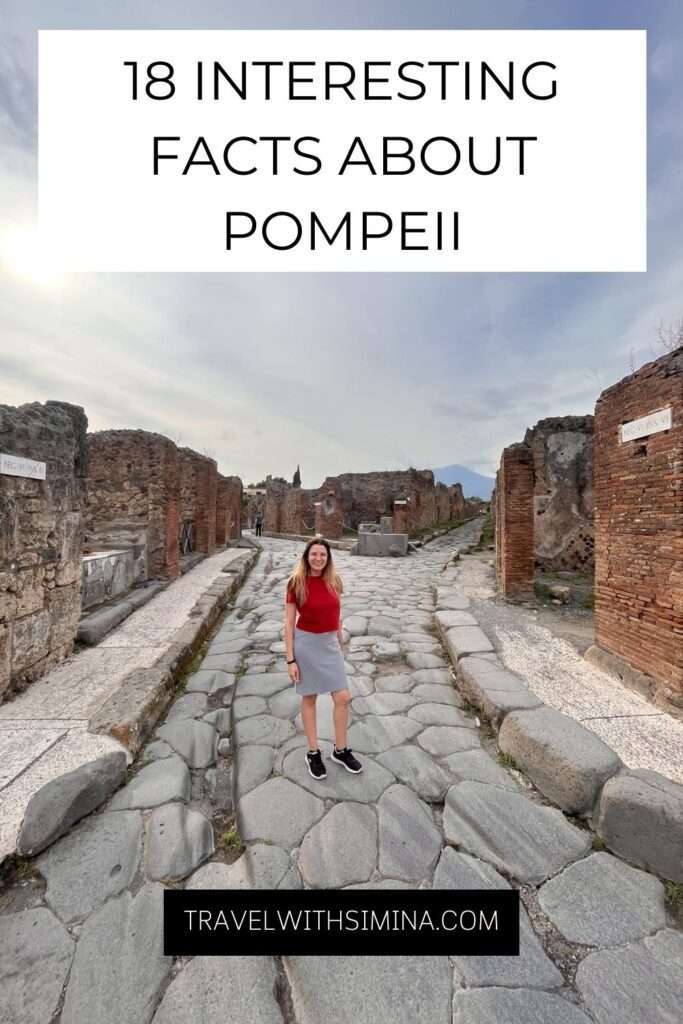
- Paved Streets: Pompeii had well-maintained and paved streets. Stepping stones were put on the roads to walk through the mud in rainy weather.
- Ancient Fast Food Menus: In Pompeii, menus were displayed outside taverns. These menus had various dishes available, allowing customers to choose their meals before entering.
- Library Collection: Pompeii had a well-stocked library, known as the Villa of the Papyri. This grand library contained an extensive collection of papyrus scrolls, showcasing the intellectual and literary pursuits of the city’s elite.
Conclusion
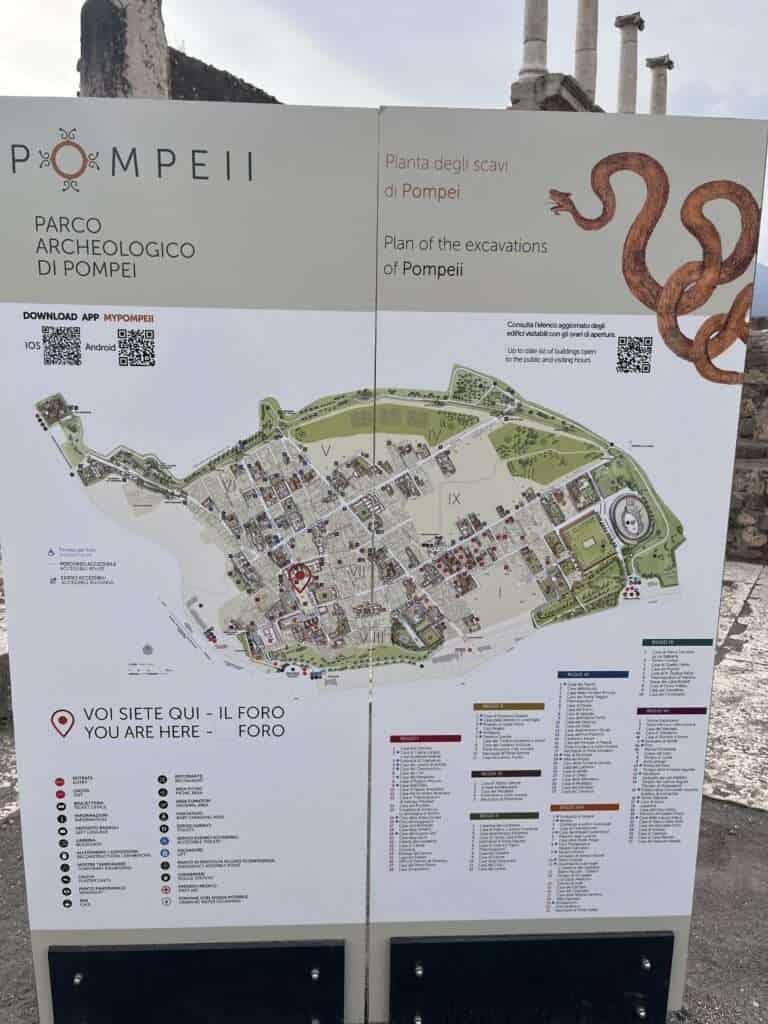
In conclusion, Pompeii holds immense historical and cultural significance. The excavation and ongoing study continue to shed light on the Roman Empire and provide a window into a bygone era. The city’s preservation serves as a remarkable archaeological site, allowing us to walk in the footsteps of ancient Romans and uncover the secrets of their daily lives.
Pin it for Later!
Going to Italy? Read all the Italy content here.